
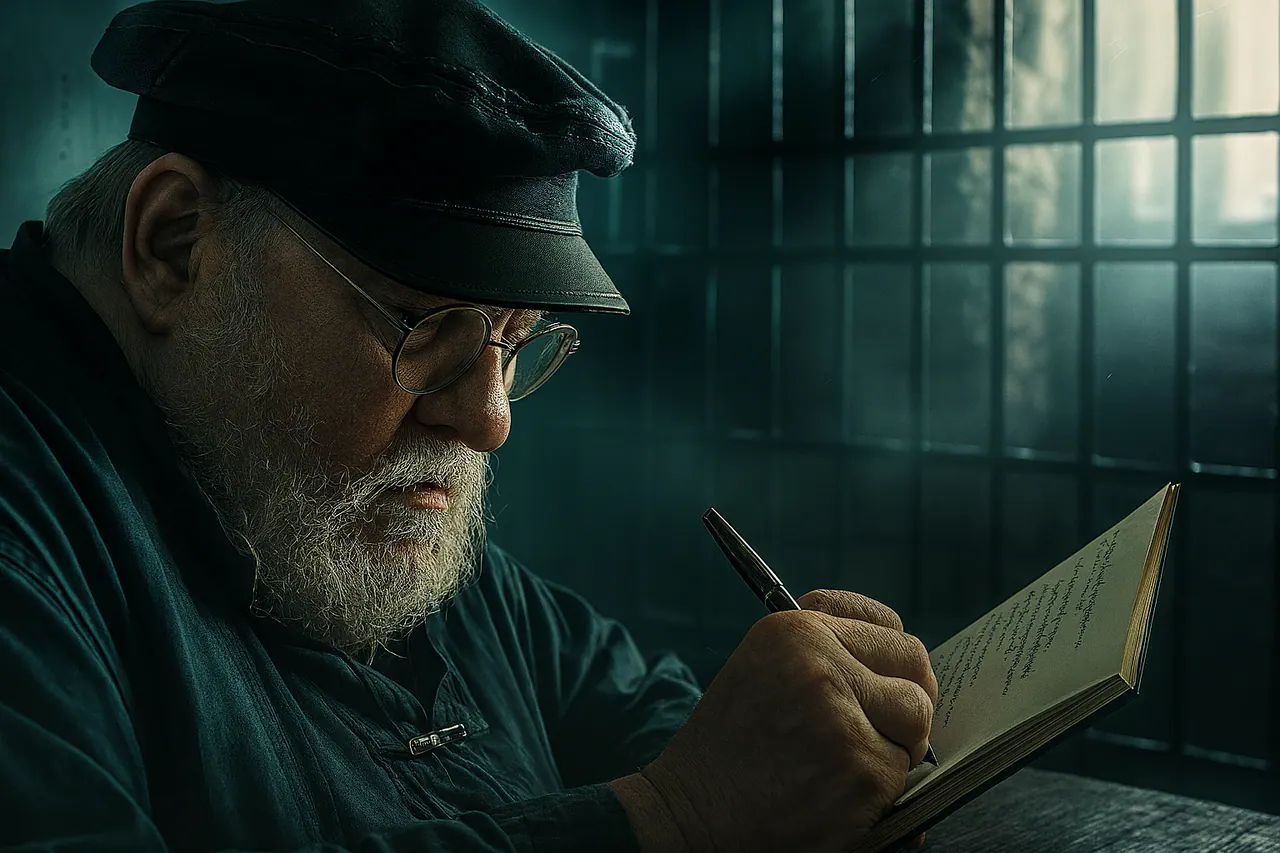
In an unprecedented legal verdict, acclaimed author George R.R. Martin was found guilty of 90 million counts of emotional damages and psychological torture for failing to complete his epic fantasy series, A Song of Ice and Fire (ASOIAF). The United Nations Tribunal for Literary Crimes handed down the ruling on Saturday, compelling the 75-year-old writer to finish the long-awaited series under supervised conditions.
The trial, which captivated a global audience, saw millions of fans testify about the profound emotional distress caused by the prolonged wait for the next installments in the series. Many claimed that the unresolved fates of beloved characters such as Jon Snow, Arya Stark, Daenerys Targaryen, and Tyrion Lannister inflicted psychological anguish akin to torture.
A tearful plaintiff, Emma Harkness from London, recounted how the cliffhangers left her in a state of perpetual anxiety and disrupted her daily life. "It's like living in constant suspense with no resolution in sight," she said. "The emotional rollercoaster has been unbearable."
In a landmark decision, the UN Tribunal declared Martin guilty of "inflicting emotional damage on a global scale" and "perpetrating psychological torture through narrative manipulation." The tribunal, convened specifically for this case, comprised legal experts, psychologists, and literary critics, who examined extensive evidence and testimonies.
"The defendant, George R.R. Martin, has caused unprecedented psychological harm by withholding the resolution of key storylines and failing to meet the expectations set by his own narrative," stated Judge Elara Thorne in her ruling. "This tribunal finds the psychological impact on millions of devoted readers to be significant and warrants intervention."
As part of the tribunal's judgment, Martin will be relocated to a secluded writing facility, equipped with all necessary amenities but isolated from external distractions. A team of editors, psychologists, and legal monitors will oversee his progress to ensure the timely completion of the series.
Martin's defense team argued that the creative process cannot be rushed and that the quality of the work could suffer under duress. However, the tribunal maintained that the collective emotional well-being of the fans necessitated decisive action.
The verdict has sparked intense debate across the literary world and beyond. While some applaud the decision as a triumph of reader rights, others decry it as an infringement on artistic freedom.
"I never thought I'd see the day when an author could be legally forced to write," said literary critic James McAllister. "This sets a troubling precedent for creative expression."
Conversely, fan groups have celebrated the ruling, organizing virtual parties and expressing hope for a swift resolution to their beloved saga. "Justice for Westeros!" exclaimed a viral tweet from a prominent fan account.
The case has opened a Pandora's box of questions about the responsibilities of artists to their audiences and the potential legal ramifications of failing to meet those responsibilities. Legal scholars are now debating whether this ruling could lead to similar actions against other creators who leave their works unfinished.
As the world watches, George R.R. Martin faces the daunting task of concluding one of the most intricate and beloved fantasy series in history, under the scrutiny of an international tribunal. The outcome of this unprecedented case will undoubtedly leave a lasting impact on the relationship between creators and their audiences.